Coffee Grinders 101: Why This Is the Upgrade That Actually Matters
Posted by Aromas Coffee Roasters on 27th Aug 2026
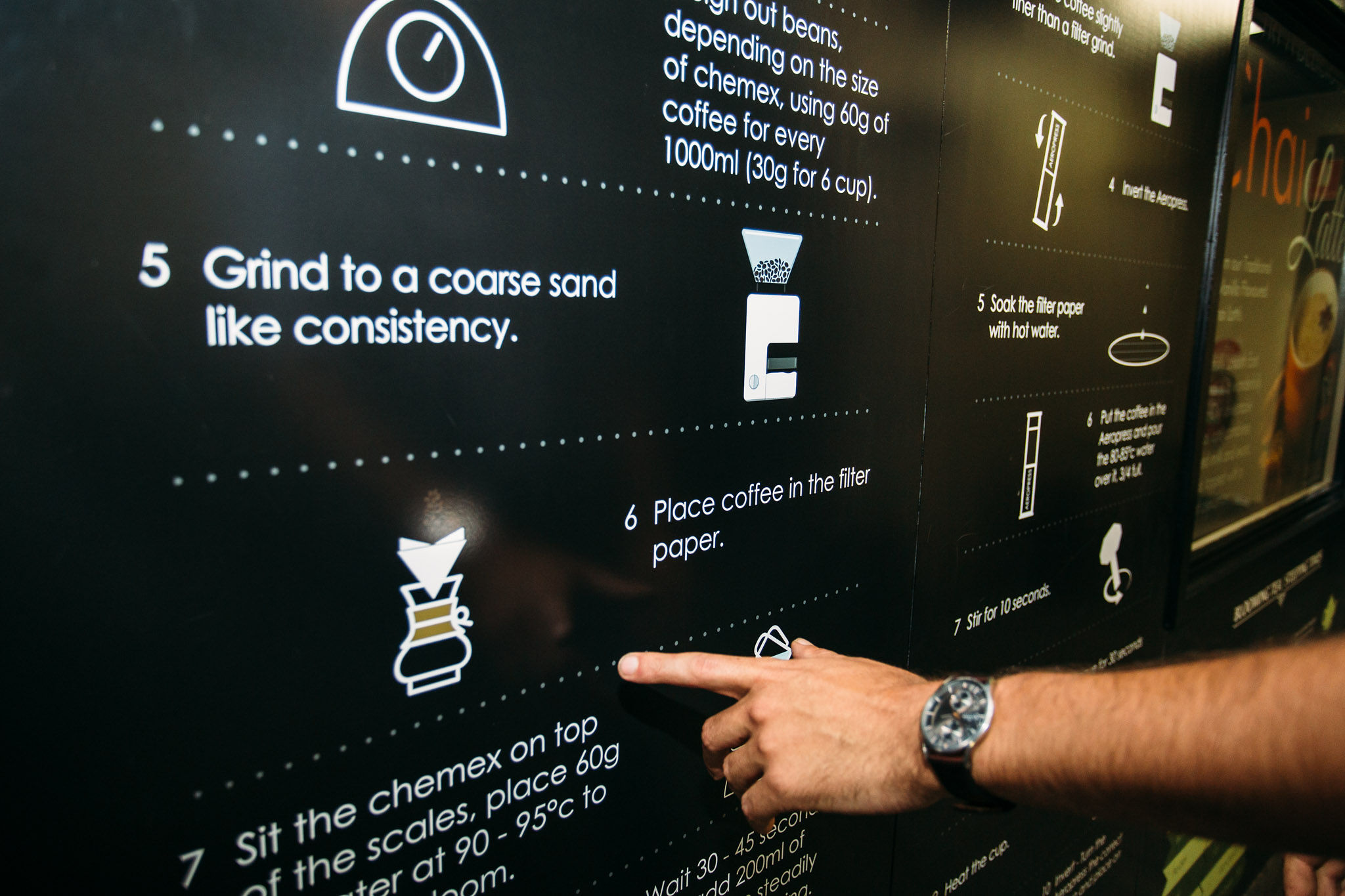
If you're trying to make better coffee at home and you've already got decent beans, the next upgrade that makes the biggest difference isn't a fancier machine — it's a proper grinder. It's the piece of equipment most people skip, and it's usually the one holding everything else back.
Why the Grinder Matters More Than You'd Think
Grind size controls how quickly water can extract flavour from coffee. Too coarse, and water passes through too fast, pulling out sourness and leaving the good stuff behind. Too fine, and water sits too long, pulling out bitterness. Every brew method — plunger, filter, espresso — needs a different grind size to hit that balance, and a good grinder is what lets you actually control it.
But the bigger issue with cheap grinders isn't just getting the size wrong — it's getting it inconsistent. A blade grinder in particular chops beans unevenly, so a single grind ends up with a mix of large chunks and dust. That means part of your coffee is under-extracted and part is over-extracted at the same time, no matter how carefully you brew. You end up chasing a bad cup with no way to actually fix it.
Blade Grinders vs Burr Grinders
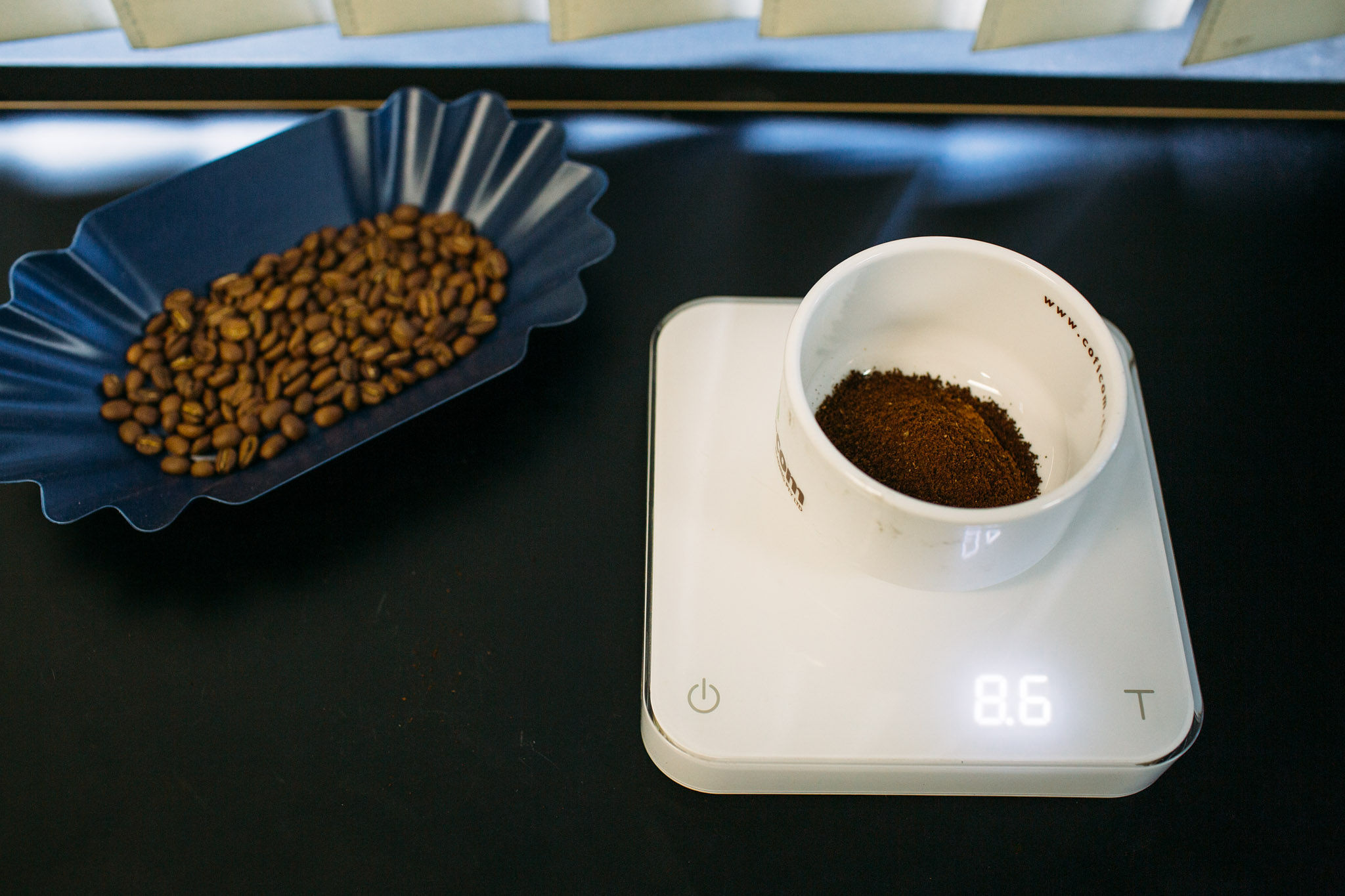
Blade grinders use a spinning propeller-style blade to chop beans. They're cheap and fast, but the grind is uneven by nature, and the friction from the blade generates heat that can affect flavour. They're fine for something like occasionally grinding spices, but for coffee they're the main reason a lot of people think they don't like "fresh ground."
Burr grinders crush beans between two abrasive surfaces (the burrs) set a consistent distance apart, producing a much more uniform grind size. This is the single biggest factor in getting a consistent, well-extracted cup, and it's why almost every serious coffee setup — home or cafe — is built around a burr grinder.
Flat Burrs vs Conical Burrs
Within burr grinders, there are two common designs:
Conical burrs use a cone-shaped burr rotating inside a ring-shaped outer burr. They tend to run quieter and cooler, and are common in both budget and high-end home grinders.
Flat burrs use two parallel, ring-shaped burrs facing each other. They typically produce a very even particle size and are popular in cafe-grade grinders, though they can run hotter and louder at high speed.
For most home setups, either design will outperform a blade grinder dramatically — the flat vs conical debate matters far more once you're already choosing between quality burr grinders.
What Grind Size Do You Actually Need?
As a rough guide:
- Coarse (like sea salt) — plunger/French press, cold brew
- Medium-coarse — pour-over, drip machines
- Medium — most standard filter machines
- Fine (like table salt) — espresso
- Extra fine (like flour) — Turkish coffee
A good burr grinder lets you dial in precisely between these, rather than being stuck with whatever a pre-ground bag gives you.
Why Grinding Fresh Actually Matters
Ground coffee has vastly more surface area exposed to air than whole beans, so it starts losing aroma and flavour within minutes, not weeks. Grinding just before you brew is one of the simplest, highest-impact habits you can build — and it only really pays off once you've got a grinder capable of doing it well, consistently, cup after cup.
The Bottom Line
If you've upgraded your beans but not your grinder, you're probably not tasting what the roaster intended. A decent burr grinder does more for your daily cup than almost any other piece of equipment — it's the difference between hoping a brew turns out well and actually being able to control it.