Decaf Coffee: How It's Made (And Why It Doesn't Have to Taste Like a Compromise)
Posted by Aromas Coffee Roasters on 23rd Sep 2026
Decaf has a reputation problem. For a lot of people it conjures up memories of a weak, slightly burnt cup served as an afterthought — the coffee equivalent of a consolation prize. But the way decaf is actually made has come a long way, and understanding the process explains why good decaf can taste just as rich and complex as regular coffee.
Decaffeination Happens Before Roasting
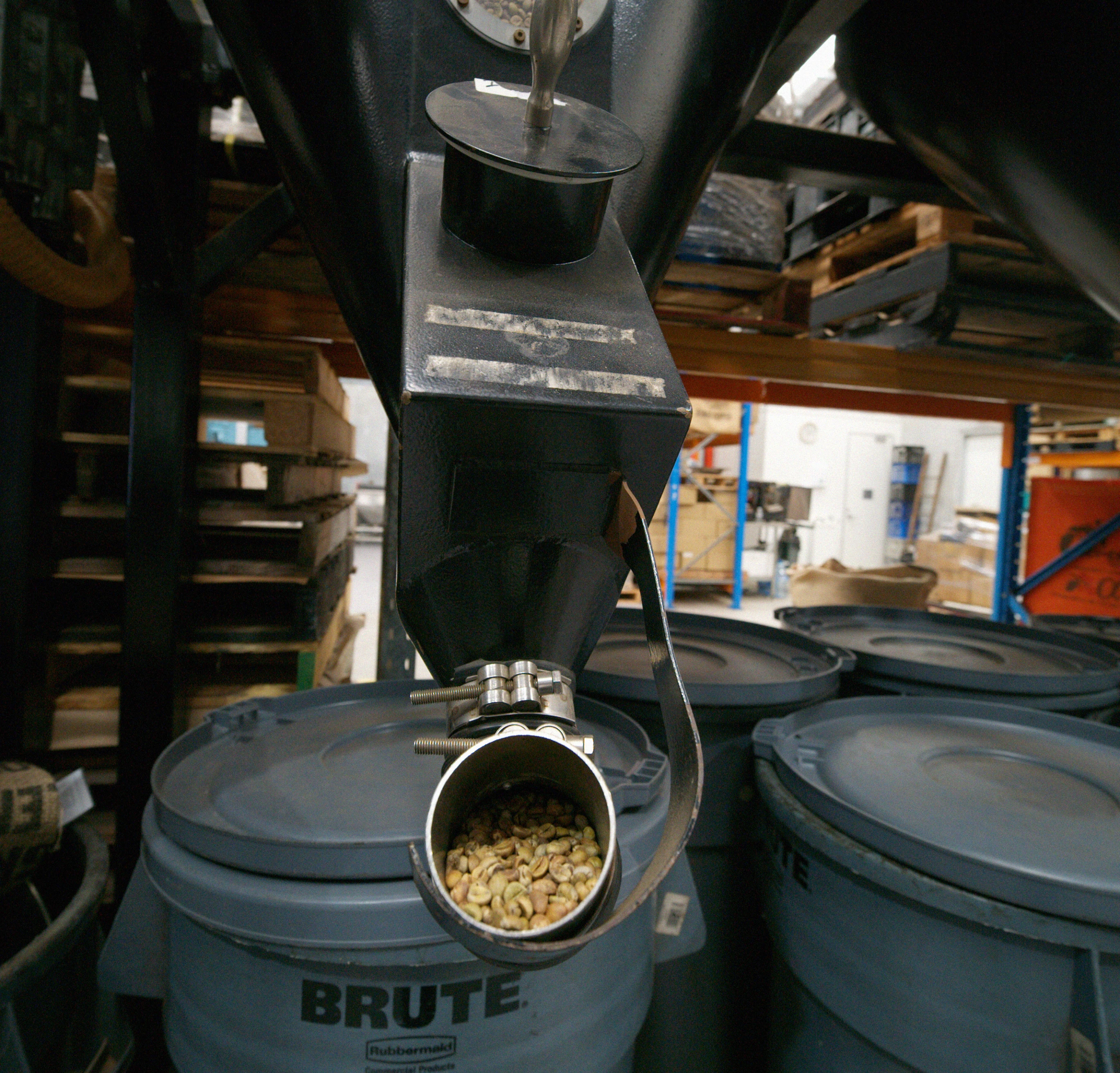
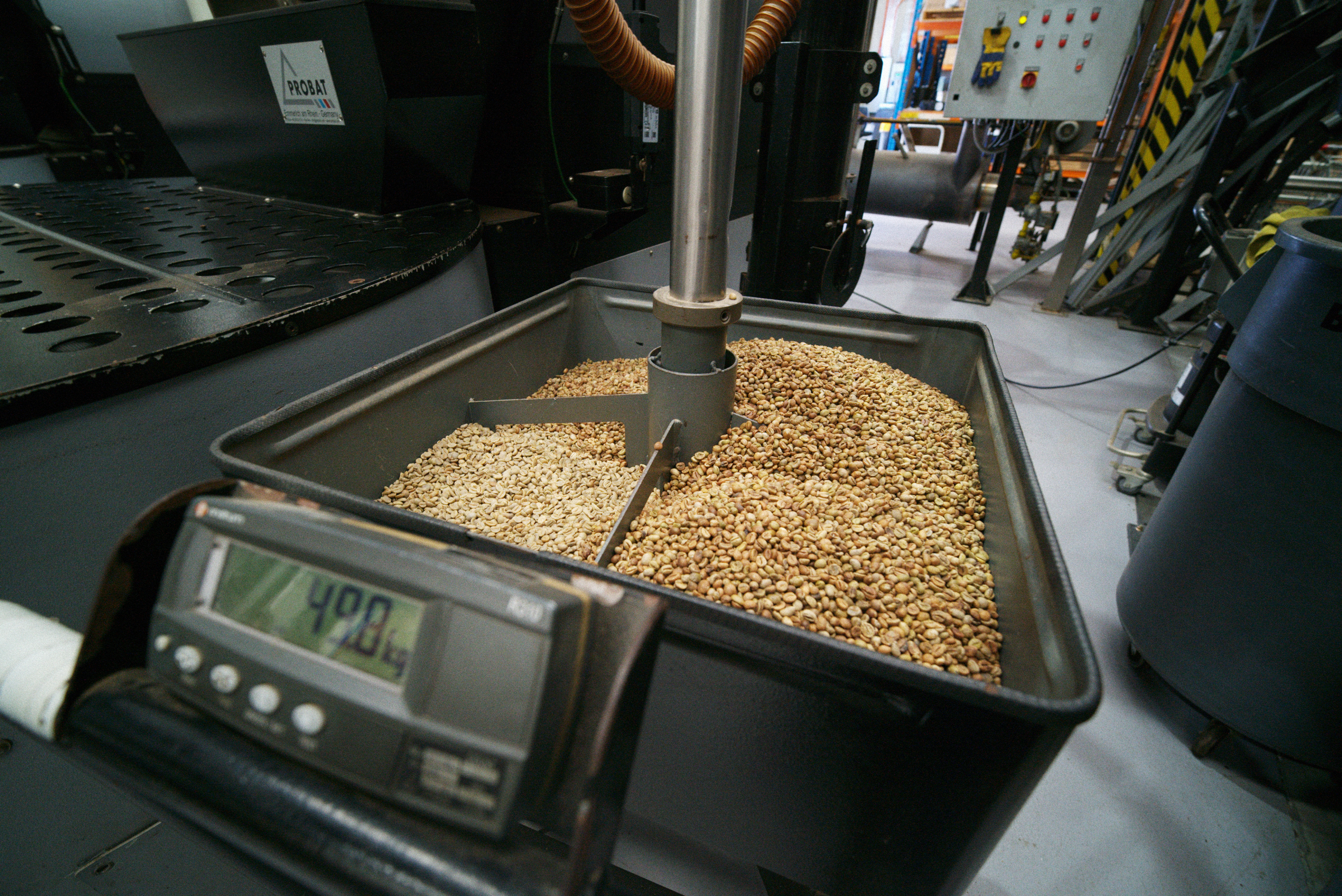
This is the part people are often surprised by: decaffeination isn't something that happens to your finished cup. It happens to the green (unroasted) beans, before they ever reach a roaster like us. Once the caffeine is removed, the beans are roasted exactly the same way any other coffee would be.
There are a handful of methods used around the world, and they all work on the same basic principle — caffeine is soluble, so it can be drawn out of the bean using water, steam, or a solvent, while (ideally) leaving the flavour compounds behind.
The Main Methods
Swiss Water Process This method uses only water, temperature, and time — no chemical solvents at all. Green beans are soaked in hot water to draw out both the caffeine and the flavour compounds, which are then passed through an activated carbon filter fine enough to trap caffeine molecules while letting the larger flavour compounds through. The resulting caffeine-free "flavour-charged" water is then used to soak a fresh batch of beans, drawing out their caffeine without stripping their flavour, since the water is already saturated with everything else. It's a slower process, but it's chemical-free and widely regarded as one of the better methods for preserving flavour.
CO2 Process This method uses pressurised carbon dioxide instead of a chemical solvent to strip caffeine from the beans. The CO2 is pushed into a sealed chamber with the beans under high pressure, where it selectively binds to caffeine molecules. It's considered a clean, effective method, though the equipment involved makes it more expensive to run at scale.
Solvent-Based Methods (Direct and Indirect) These methods use a solvent — most commonly ethyl acetate, which occurs naturally in fruit and is sometimes marketed as "naturally decaffeinated," or methylene chloride — to either contact the beans directly or draw caffeine out of a water solution the beans have been soaked in. Both are approved and regulated for use, and residual solvent levels are required to fall well within safety limits, but they're generally considered less gentle on flavour than water or CO2 methods.
Why the Method Matters for Taste
Caffeine isn't the only thing that can get pulled out during decaffeination — some methods are better than others at leaving the oils and compounds responsible for flavour intact. This is the main reason two decafs can taste completely different from each other, even from beans of similar quality. A well-processed decaf, roasted well, can hold onto real body and depth. A poorly processed one tends to taste thin, flat, or slightly papery, which is where decaf's bad reputation largely comes from.
Is Decaf Actually Caffeine-Free?
Not entirely, but close. Regulations typically require decaf to have at least 97% of its caffeine removed, meaning a cup usually contains somewhere around 2–5mg of caffeine, compared to roughly 80–100mg in a regular cup. For most people that's negligible, but if you're avoiding caffeine completely for a medical reason, it's worth knowing decaf isn't a hard zero.
Choosing a Good Decaf
A few things to look for if you want decaf that actually tastes like coffee:
- Check the process. Swiss Water and CO2 methods tend to preserve flavour better than solvent-based ones.
- Look for a roast date. Decaf beans go stale the same way regular beans do — freshness still matters just as much.
- Don't assume darker is better. Some brands roast decaf darker to mask flavour loss from processing. A well-processed decaf doesn't need that crutch.
The Bottom Line
Decaf isn't a lesser version of coffee — it's regular coffee that's had one specific compound removed before roasting even begins. The quality of that removal process, combined with good roasting, is what separates a decaf worth drinking from the stereotype most people grew up with.