How to Store Coffee Beans Properly (And Stop Wasting Great Coffee)
Posted by Aromas Coffee Roasters on 20th Aug 2026
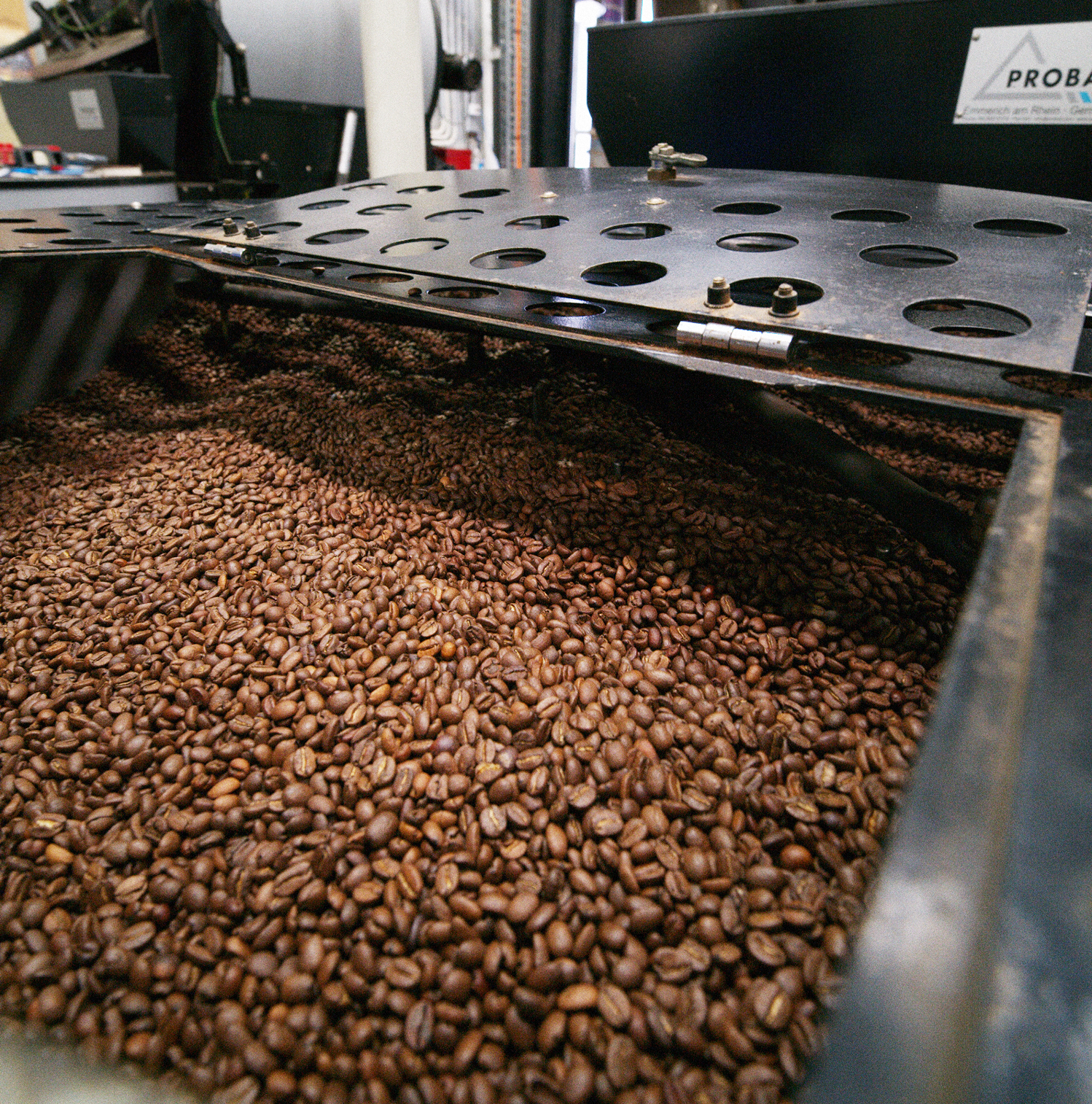
You just spent good money on freshly roasted beans. Then they sit in a cupboard in a bag that's been rolled up and clipped shut, slowly losing everything that made them worth buying in the first place.
Coffee doesn't go "off" the way milk does — but it does go stale, and stale coffee is flat, dull, and nowhere near what the roaster intended. The good news is that keeping beans fresh is simple once you know what's actually working against you.
The Four Enemies of Fresh Coffee
Roasted coffee is porous and full of aromatic oils, which makes it very reactive to its environment. Four things degrade it:
Air — Oxygen reacts with the oils in coffee and breaks down flavour compounds. This is oxidation, and it's the single biggest cause of stale-tasting coffee.
Moisture — Coffee absorbs smells and humidity from the air around it, which throws off flavour and can encourage mould in humid climates (hello, Brisbane summer).
Light — UV light speeds up the breakdown of oils, which is why coffee sold in clear jars looks nice on a shelf but doesn't do the beans any favours.
Heat — Warm temperatures accelerate every one of the reactions above. A cupboard next to the oven is not a friend to your coffee.
So Where Should You Actually Keep It?
Use an airtight container. A container with a one-way valve is ideal, since it lets the CO2 that fresh-roasted coffee naturally releases escape without letting oxygen in. If you don't have one, a container that seals tightly and gets opened briefly each time is still far better than a folded-over bag.
Keep it somewhere cool, dark, and dry. A pantry or cupboard away from the stove, dishwasher, or a sunny windowsill is exactly what you want. Room temperature is fine — you don't need anything special, just consistency.
Buy what you'll actually use in two to three weeks. Coffee is at its best in the days and weeks after roasting. Buying smaller amounts more often will always beat buying a big bag and letting half of it go stale before you get to it.
What About the Freezer?
This one's genuinely debated, and the honest answer is: it depends.
Freezing coffee can preserve freshness well if it's portioned into small, airtight, moisture-proof containers or bags with the air pressed out, and if you take out only what you need and don't repeatedly thaw and refreeze the whole batch. Condensation from repeated temperature changes is what ruins frozen coffee — not the cold itself.
For most home setups, buying smaller amounts regularly is simpler and gives more consistent results. But if you've bought coffee in bulk or want to lock in freshness on a bag you won't get through quickly, portioning and freezing is a legitimate option.
Common Mistakes Worth Fixing
- Storing coffee in the fridge. The fridge is humid and full of other food smells — both of which coffee absorbs readily. Skip it.
- Buying based on shelf life rather than roast date. A bag that says "best before 12 months" tells you nothing about how fresh it actually is. Look for a roast date instead, and aim to use beans within a few weeks of it.
- Grinding too far ahead. Ground coffee has far more surface area exposed to air, so it stales dramatically faster than whole beans. Grind just before you brew if you can.
- Leaving the bag open on the bench "because you'll use it soon." Every minute counts more than it feels like it should.
The Simple Version
If you only take one thing from this: keep your beans in an airtight container, out of the light, somewhere cool, and don't buy more than you'll get through in a few weeks. Everything else is a bonus.
Fresh coffee isn't complicated — it just rewards a little bit of care between the roastery and your cup. At Aromas, every bag we roast leaves with a roast date on it for exactly this reason: so you know how fresh your coffee really is, not just how long it'll technically last.