Where Does Your Tea Actually Come From? A Guide to the Aromas Tea Range
Posted by Aromas Coffee Roasters on 29th Apr 2026
Where Does Your Tea Actually Come From?
Most of us have a favourite tea we reach for without ever thinking much about where it originated, who grew it, or why it tastes the way it does. The story behind each cup is surprisingly fascinating, and once you know a little about where your tea comes from you start to appreciate it in a completely different way.
At Aromas, the tea range is sourced through Halssen & Lyon out of Hamburg, Germany, one of the most respected tea suppliers in the world with connections to over 130 countries. Browse the full range and purchase here. Here's a look at the teas in the range and the stories behind them.
English Breakfast
English Breakfast is probably the most drunk tea in Australia and the UK combined, but it didn't actually originate in England. The blend was popularised in Britain during the 19th century and traditionally combines black teas from Assam, Ceylon and Kenya to create something bold, malty and strong enough to stand up to milk. It's a tea designed to wake you up, which is exactly why it became a breakfast staple. Rich in antioxidants and a decent source of natural caffeine, it's a solid everyday choice for anyone who finds green tea too light.
Earl Grey and French Earl Grey
Earl Grey is a black tea scented with oil from the bergamot orange, a citrus fruit grown primarily in the Calabria region of southern Italy. The blend is named after Charles Grey, British Prime Minister in the 1830s, though the exact origin story has been debated for about 200 years. It has a distinctive floral, citrusy aroma that sets it apart from any other black tea. The French Earl Grey version adds rose petals to the mix, making it slightly softer and more fragrant. Both contain antioxidants from the black tea base and are lower in caffeine than coffee, making them a popular mid-afternoon option.
Darjeeling Autumnal
Darjeeling comes from the foothills of the Himalayas in West Bengal, India, at elevations of up to 2000 metres. It's often called the champagne of teas because of how dramatically the flavour changes depending on when in the year it's harvested. The autumnal flush, harvested in October and November, produces a fuller bodied, slightly earthier cup than the lighter first flush picked in spring. It's delicate enough to drink without milk, with a natural muscatel sweetness that's genuinely unlike anything else. High in antioxidants and traditionally used to aid digestion.
Assam GFOP
Assam comes from the Brahmaputra River valley in northeastern India, one of the largest tea growing regions on earth. The climate there is intensely humid, which produces a tea with a deep amber colour, strong malty flavour and a natural robustness that takes milk beautifully. GFOP stands for Golden Flowery Orange Pekoe, which refers to the grade and the quality of the leaf. It's one of the most widely consumed teas in the world and forms the base of many English Breakfast blends. Good for alertness and packed with polyphenols.
Lapsang Souchong
Lapsang Souchong is one of the oldest teas in the world, originating from the Wuyi Mountains in China's Fujian province. What makes it completely unlike any other tea is how it's processed. The leaves are dried over pinewood fires, which gives it a deep, smoky, almost campfire-like flavour. It's genuinely polarising but those who love it really love it. Historically it became popular in Europe during the 17th century when Dutch traders first brought it back from China. It's the kind of tea you either drink black or not at all.
Ceylon Decaffeinated
Ceylon teas come from Sri Lanka, which was known as Ceylon until 1972. The island's central highlands, particularly around Nuwara Eliya and Kandy, produce some of the most prized teas in the world thanks to the altitude, cool temperatures and constant mist. The decaffeinated version goes through a process that removes most of the caffeine while keeping the characteristic clean, bright, slightly citrusy flavour Ceylon is known for. A good option for anyone who wants the ritual of a proper cup of tea in the evening without the sleep disruption.
Keemun China Black Tea
Keemun is a black tea from Anhui province in China and one of the country's most celebrated exports. It has a naturally complex flavour with hints of stone fruit, mild smokiness and a wine-like quality that sets it apart from Indian black teas. It became hugely popular in Britain during the 19th century and is often used as the base for English Breakfast blends. Rich in antioxidants and slightly lower in caffeine than Assam or Darjeeling.
China Green Sencha
Sencha is Japan's most widely consumed green tea, though the version in the Aromas range is a Chinese produced Sencha which has a slightly softer, less grassy character than its Japanese counterpart. Green tea originated in China thousands of years ago and Sencha specifically refers to leaves that are steamed or pan-fired shortly after picking to prevent oxidation, which is what keeps them green. The flavour is fresh, slightly vegetal and clean. It's also one of the most researched teas in the world when it comes to health benefits, with strong evidence linking regular consumption to improved focus, heart health and metabolism support.
China Green Jasmine
Jasmine tea has been produced in China's Fujian province for over 700 years. Green tea leaves are layered with fresh jasmine blossoms overnight so the tea slowly absorbs the floral fragrance, a process sometimes repeated several times with fresh flowers to build intensity. The result is something incredibly aromatic, floral and smooth with none of the bitterness you'd get from a plain green tea. It's particularly good chilled as an iced tea during summer. Like all green teas it's high in catechins, a type of antioxidant associated with anti-inflammatory benefits.
China Green Gunpowder
Gunpowder tea gets its name from the appearance of the leaves, which are rolled into tight little pellets that resemble old-fashioned gunpowder. It originates from Zhejiang province in China and is one of the oldest forms of green tea still produced today. The rolling process helps preserve freshness and intensifies the flavour, giving it a slightly bolder, more robust character than most green teas. It's also the tea traditionally used as the base for Moroccan mint tea. Strong in antioxidants and with a pleasant, slightly earthy finish.
Black Spice Chai and Yogi Chai
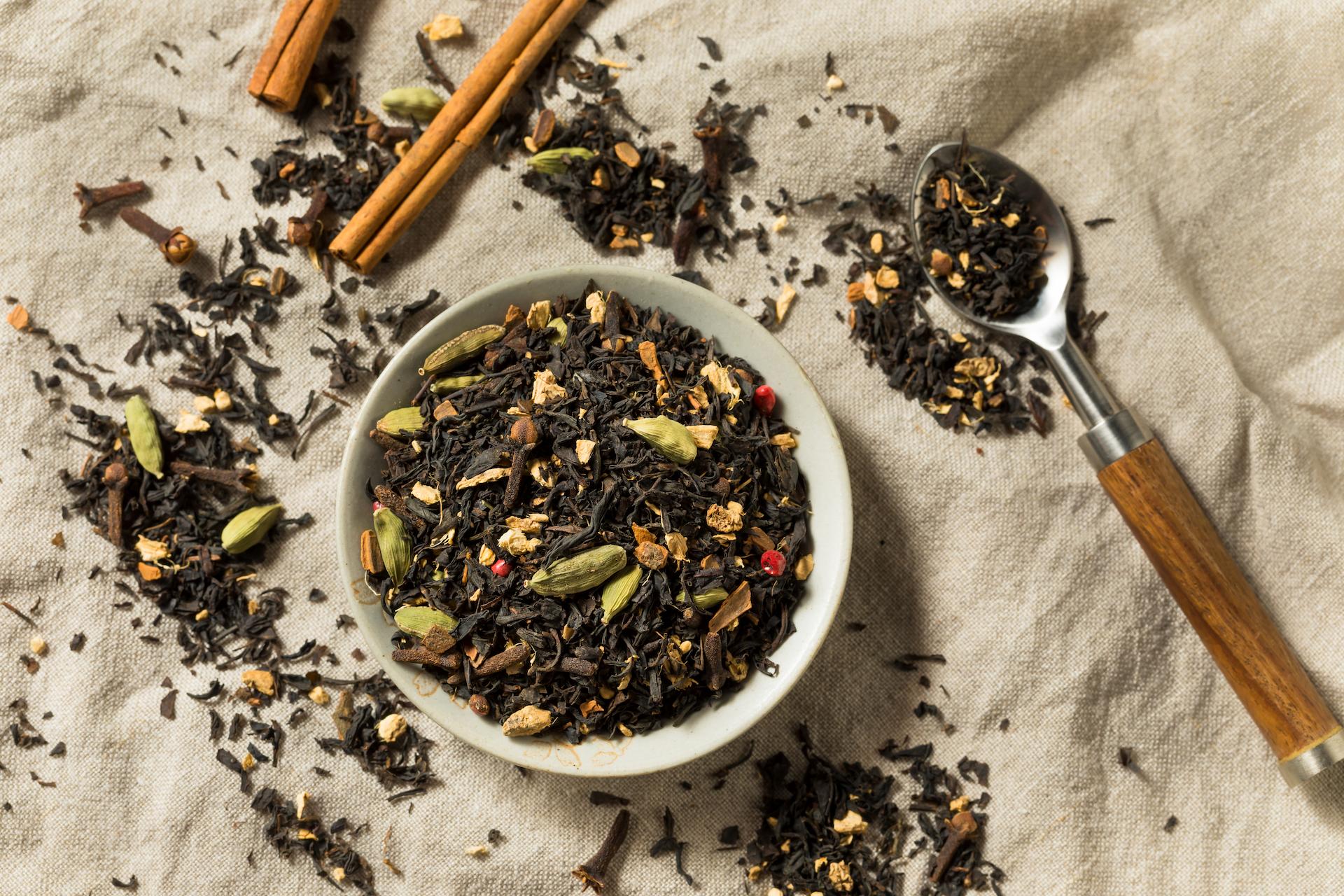
Chai as we know it today comes from India, where masala chai (spiced tea) has been consumed for centuries. The exact blend of spices varies by region and household but typically includes cardamom, cinnamon, ginger, cloves and black pepper combined with a strong black tea base. The Aromas range includes two chai options: the Black Spice Chai, which leans into the traditional spiced style, and the Yogi Chai, which is an organic biologic version with a slightly cleaner, more refined profile. Both are warming, naturally sweet and contain a range of spices with well documented anti-inflammatory and digestive properties.
Lemongrass and Ginger
Lemongrass is native to tropical regions of Southeast Asia and has been used in traditional medicine across Thailand, Vietnam and Indonesia for centuries. Combined with ginger, which originated in Southeast Asia but has been cultivated in South Asia and China for thousands of years, this herbal blend is completely caffeine free and genuinely one of the most soothing cups in the range. The flavour is bright, citrusy and warming with a gentle ginger heat at the end. Both ingredients are well known for supporting digestion, reducing nausea and easing inflammation.
Peppermint
Peppermint tea is made from the leaves of the peppermint plant, a natural hybrid of watermint and spearmint that originated in Europe and the Middle East. It's one of the most universally recognised herbal teas in the world and completely caffeine free, making it a go-to for evenings or for anyone avoiding stimulants. The flavour is clean, cool and refreshing. It's particularly well regarded for helping with digestive discomfort, tension headaches and as a general palate cleanser after a meal.
Chamomile
Chamomile has been used as a medicinal herb since ancient Egypt, Greece and Rome. The tea is made from the dried flowers of the chamomile plant, which grows across Europe and Western Asia. The flavour is delicate, slightly sweet and floral, often compared to apple blossom. It contains no caffeine and has long been associated with promoting relaxation and sleep, which is why it's one of the most popular bedtime teas in the world. Also known for its anti-inflammatory properties and gentle effect on the digestive system.
Turkish Apple
Apple tea has a particularly strong cultural connection to Turkey, where it's served as a hospitality drink in homes, bazaars and carpet shops across the country. Unlike most teas which are made from the Camellia sinensis plant, Turkish Apple is a herbal and fruit blend, completely caffeine free and made from dried apple pieces and hibiscus. The flavour is sweet, tangy and fruity with a beautiful deep red colour when brewed. It's a brilliant option served either hot in winter or chilled over ice in summer.
Honeybush Caramel (Simply Feel Well)
Honeybush is a South African plant native to the Eastern Cape and Western Cape regions, closely related to rooibos but with a naturally sweeter, milder flavour. It's been consumed in South Africa for centuries as a caffeine free herbal remedy. The Aromas version blends honeybush with caramel notes for something indulgent without any actual sugar. It's naturally sweet, smooth and comforting. Honeybush is rich in antioxidants and has been associated with supporting bone health and hormonal balance, making it a popular choice for women particularly.
Strawberries and Cream, Pina Colada and Peach Berry Quencher
These are the fun ones. Fruit teas and flavoured blends have roots in the European tradition of mixing dried fruits, herbs and flower petals into tea, a practice that became particularly popular in Germany and Eastern Europe. None of them contain caffeine and all three work brilliantly both hot and cold. The Strawberries and Cream is sweet and dessert-like, the Pina Colada brings tropical coconut and pineapple notes, and the Peach Berry Quencher is bright and summery with a natural fruity tang. All three are great iced tea options for the warmer months.