What "Small Batch" Actually Means (And Why It Matters)
Posted by Aromas Coffee Roasters on 10th Jun 2026
"Small batch" gets thrown around a lot in the coffee world. It sounds good — artisanal, careful, premium. But what does it actually mean for the coffee in your cup?
It starts at the roaster
Most large-scale coffee operations roast in drums that hold 60–120kg of green beans per cycle. At that volume, the priority shifts to consistency and throughput. Individual bean characteristics — the brightness of an Ethiopian Yirgacheffe, the chocolatey depth of a Colombian — can get lost in the process.
Small batch roasting typically means loads of 5–15kg per cycle. Less coffee in the drum means more control: the roaster can monitor temperature development more precisely, react to how a specific lot of beans is behaving, and pull the roast at exactly the right moment.
Why freshness is part of it
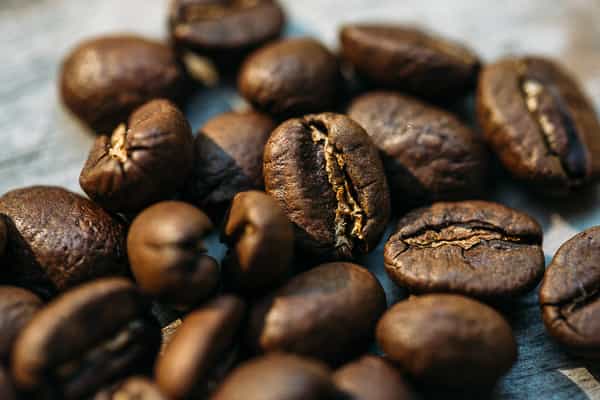
Small batch roasting isn't just about the size of the drum — it's about the rhythm of production. Roasting smaller quantities more frequently means coffee spends less time sitting in a warehouse between roast and dispatch. Freshly roasted beans are at their peak flavour for roughly 2–4 weeks. After that, oxidation quietly does its damage.
When you buy from a small batch roaster, there's a much shorter gap between the roast date and your morning brew.
The traceability factor
Smaller batches also make traceability easier. A 10kg roast can come from a single farm lot — meaning the flavour profile is consistent, the origin story is clear, and quality issues are easy to trace and fix. At scale, beans from multiple farms and regions often get blended together before roasting, which makes that kind of accountability harder.
What it means for you
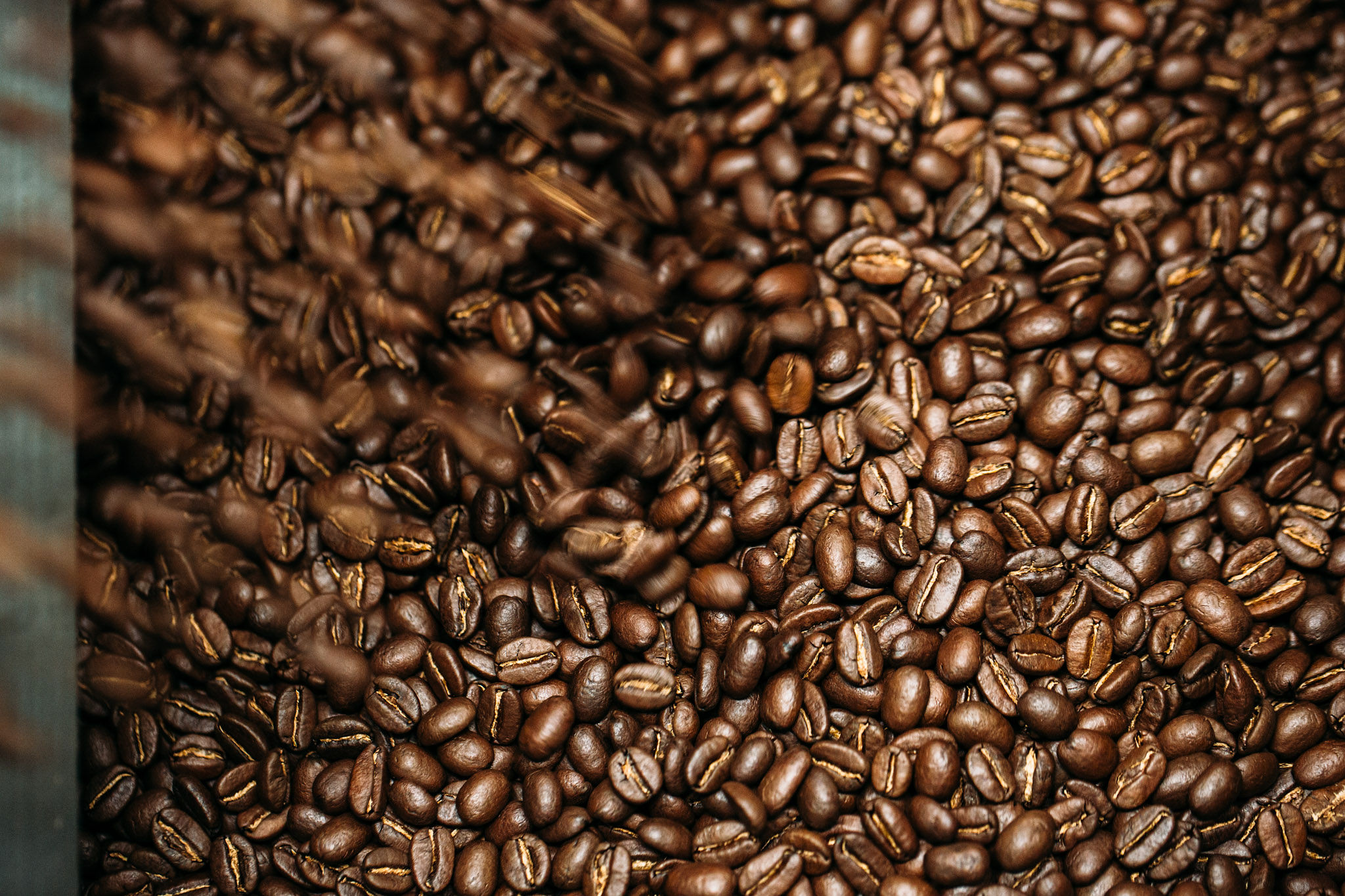
Small batch coffee isn't just a marketing phrase — it's a signal that someone paid attention. Attention to the individual bean, to the roast curve, to getting the coffee to you while it's still at its best.
That's what we do at Aromas. Every roast is considered, not conveyed.