Whole Beans vs Ground Coffee – Which Is Better?
Posted by Aromas Coffee Roasters on 20th May 2026
Whole Coffee Beans vs Ground Coffee: Which One Is Right for You?
When it comes to buying roasted coffee, one of the first decisions you'll face is whether to go with whole beans or pre-ground. It sounds simple but it actually makes a meaningful difference to the quality and flavour of your cup. This article walks through the pros and cons of each so you can figure out which one suits you best.
To browse the full Aromas range and choose between beans or grinds, head to our coffee page and select your preference when adding to cart.
Whole Coffee Beans
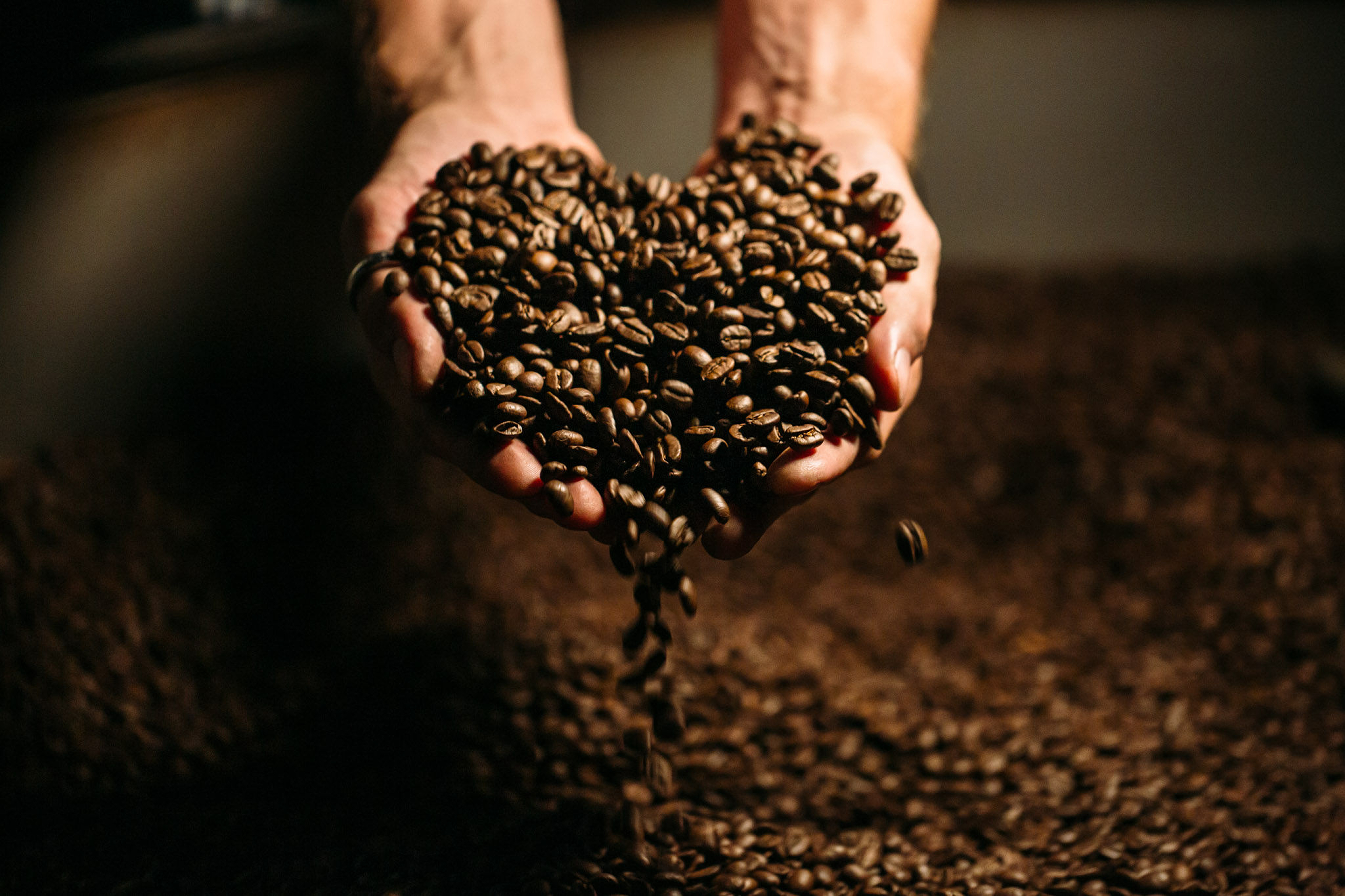
If flavour is your priority, whole beans are the way to go. Coffee begins losing freshness the moment it's ground, because grinding breaks open the bean and exposes it to oxygen. That exposure starts degrading the oils and gases that give coffee its aroma, depth and crema almost immediately. Whole beans, by contrast, keep those compounds locked in until the moment you grind them.
Grinding fresh also gives you control. Different brewing methods require different grind sizes, a coarse grind for a plunger, medium for a pour over, fine for espresso, and being able to dial that in yourself means you can get the best possible extraction from whatever setup you're using. Better extraction means better flavour, and that's really what it all comes down to.
The trade-off is equipment. To grind at home you need a coffee grinder, and a good one matters. Cheap blade grinders produce an uneven grind that can result in inconsistent extraction and a bitter or weak cup. A quality burr grinder, which produces a much more uniform grind, typically starts at a few hundred dollars and can run well over $2,000 for a serious home setup. For a lot of people that's a significant investment, and a completely reasonable reason to go pre-ground instead.
Ground Coffee
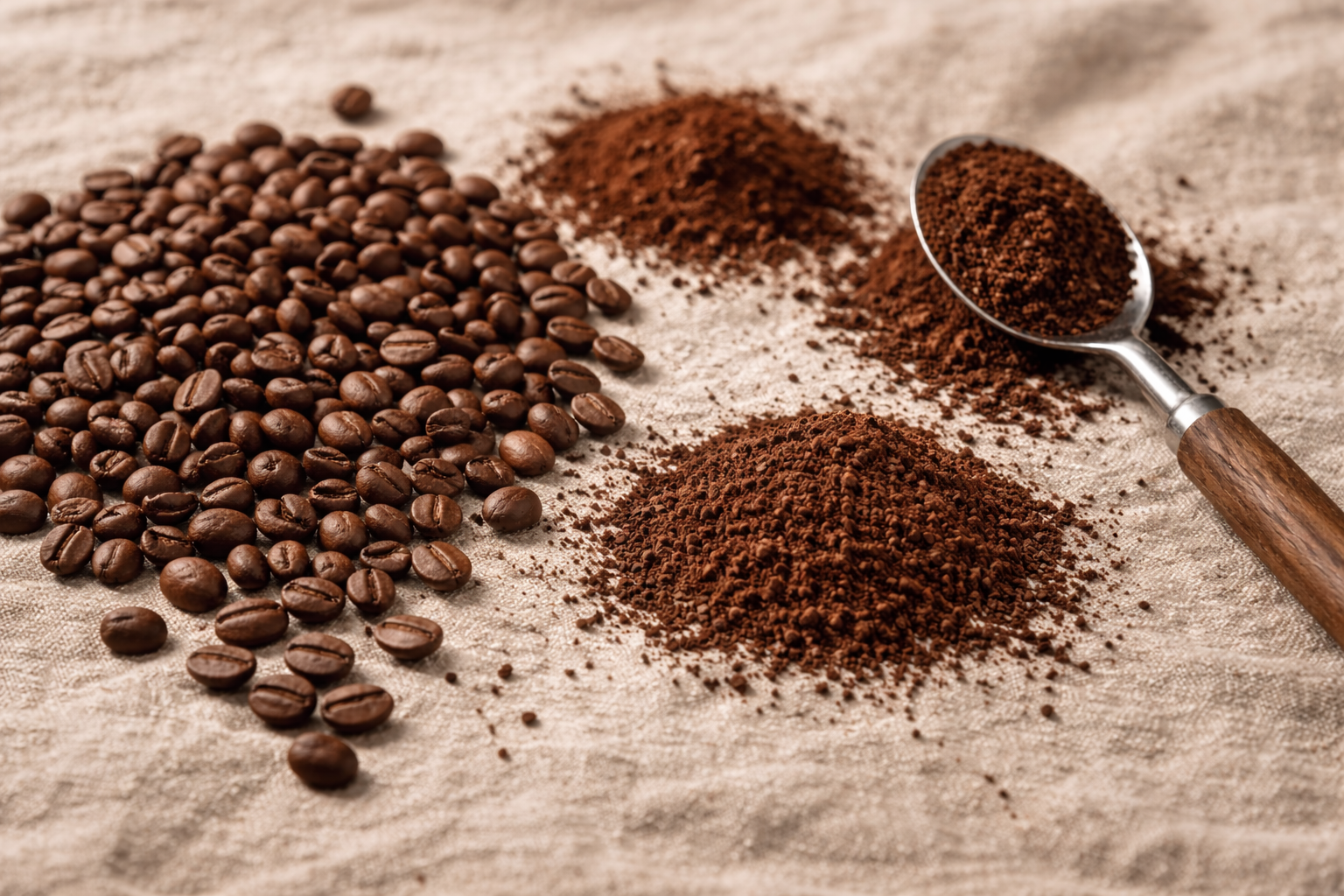
Pre-ground coffee is the more accessible option and for the majority of home coffee drinkers it's a perfectly good one. The convenience is hard to argue with. No grinder required, no measuring, no adjusting, just open the bag and brew.
The key thing to understand with ground coffee is that grind size is matched to a specific brewing method. This is why when you add to cart on the Aromas website you'll see grind options including espresso, filter, plunger, cold brew, stovetop, Aeropress and more. Choosing the right grind for your machine or brewing method is the single most important thing you can do to get a good result from pre-ground coffee.
Using the wrong grind size is one of the most common reasons home coffee tastes off. Too fine in a plunger and the coffee will be bitter and over-extracted. Too coarse in an espresso machine and it'll taste weak and sour. Getting that match right makes a bigger difference than most people realise.
The freshness disadvantage is real but manageable. Buying in smaller quantities and storing your ground coffee in an airtight container away from heat, light and moisture will significantly extend how long it stays fresh. Avoid the fridge as the moisture and odours can affect the flavour. A cool, dark pantry is ideal.
So Which Should You Choose?
If you already own a grinder or are serious about coffee and willing to invest in one, whole beans will consistently give you a better, fresher and more customisable cup. The difference is noticeable, particularly for espresso where freshness has a direct impact on crema and aroma.
If you don't have a grinder, are just starting out, or simply want a great cup without the extra steps, pre-ground coffee from a quality roaster is a genuinely excellent option. The most important things are buying fresh coffee from a reputable roaster, storing it properly and selecting the grind that matches your brewing method.
Either way, the quality of the bean itself matters most. Fresh, well-roasted coffee ground to the right size and brewed correctly will always beat stale coffee regardless of whether you ground it yourself.
Table of Pros and Cons
| Type | Pros | Cons |
| Whole Coffee Beans |
|
|
| Grind Beans |
|
|